
Bouldering Gym Risk Management: The Complete Guide to Pad-Only Climbing Safety
Key Takeaways
- •Bouldering accounts for 52% of climbing gym injuries despite only 35% of visits
- •83% of bouldering injuries happen during the fall or landing, not the climb
- •Crash pads need annual replacement in high-traffic zones at $8,000-$15,000 per year
- •Per-visit accident protection at $2-$3 covers medical bills your liability policy won't
She Fell Twelve Feet and Laughed About It
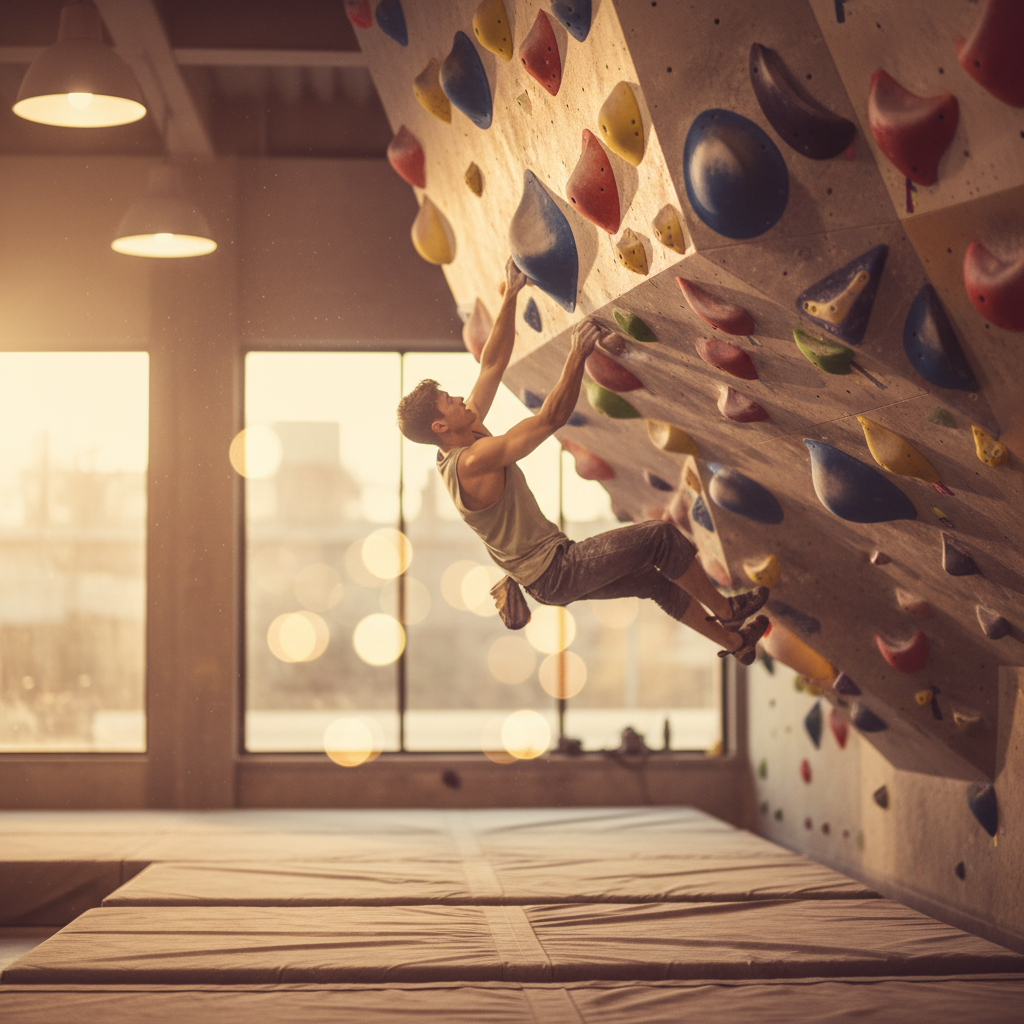
That's the thing about bouldering. A climber peels off the wall at the crux, drops through open air, and slams into the crash pad below. She stands up, chalks her hands, and walks back to try again. Falling isn't an accident in bouldering. It's the whole point.
Now think about what that means for your risk management program. In a rope gym, harnesses and belay devices do the catching. Mechanical systems absorb the failure. But bouldering? Climbers scale walls up to 15 feet high with nothing between them and the ground except foam.
The Climbing Wall Association (CWA) puts numbers to the problem: bouldering accounts for 52% of all climbing gym injuries despite representing only 35% of visits. That's a 2.5x higher injury rate per visit than roped climbing. And if your safety protocols were designed for roped walls, they're not built for this.
Where the Human Body Breaks
Data from the National Electronic Injury Surveillance System (NEISS) reveals a pattern every bouldering gym owner should memorize:
- Ankle sprains and fractures: 34% of all injuries. Landing on uneven pad surfaces, landing feet-together, or landing on another climber's foot.
- Wrist and hand injuries: 22%. The instinctive outstretched-hand brace (FOOSH injuries) that orthopedic surgeons see constantly.
- Knee injuries: 15%. Awkward landings, twisting on descent.
- Back and spine injuries: 12%. Flat falls or catching a pad edge.
- Head injuries: 8%. Inverted falls, wall contact on the way down, climber-on-climber collisions.
- Finger and shoulder injuries: 9%. Overuse from the climbing itself, not the falls.
83% of bouldering injuries happen during the fall or landing, not during the climb. Your entire risk management strategy should be aimed at the ground.
The Science Hiding Inside Your Crash Pads
Your pad system is the single most important safety investment you'll make. But here's the thing -- getting it right is far more nuanced than just buying thick foam.
Depth and Composition That Actually Works
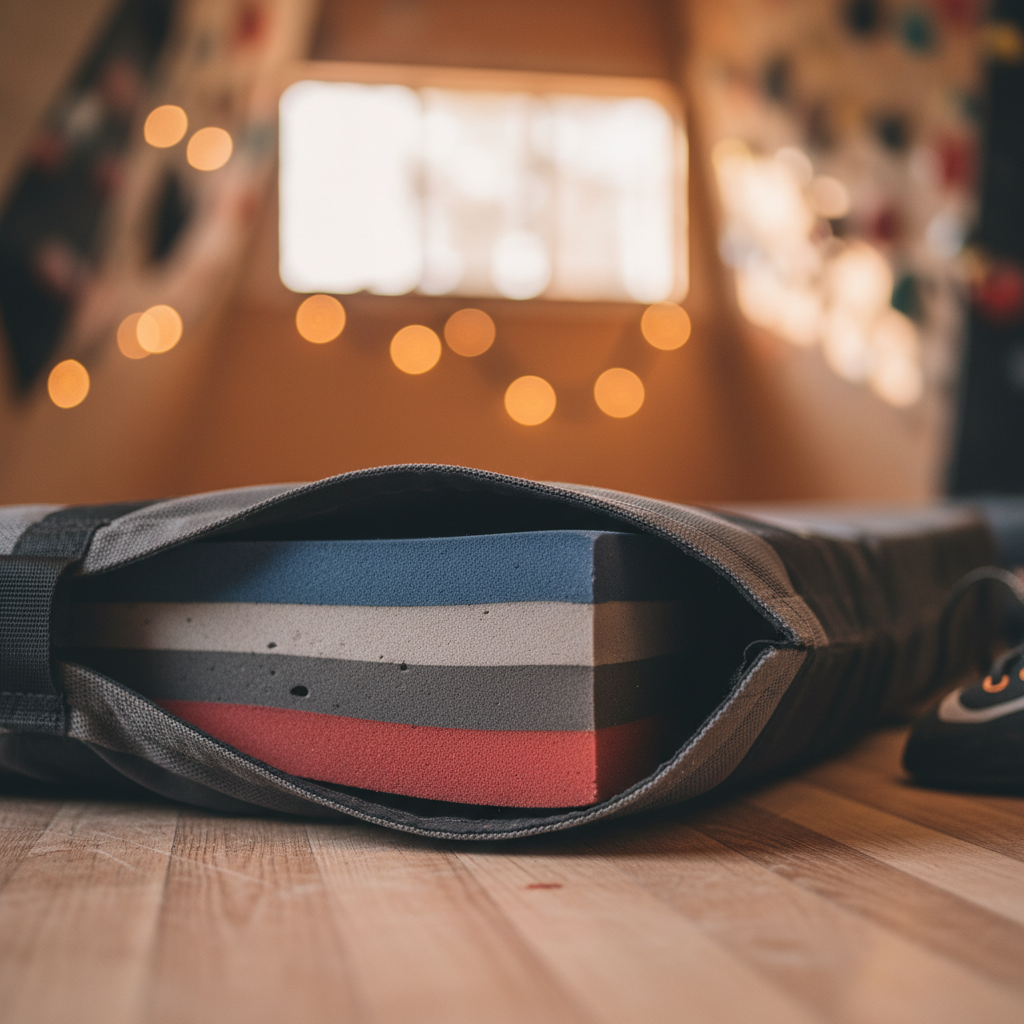
The CWA recommends 12 inches minimum below walls under 12 feet, and 16 inches for walls between 12-15 feet. Depth alone, however, tells you almost nothing about safety. Modern bouldering pads use a three-layer architecture:
- Top layer (2-3 inches): Closed-cell foam for initial impact absorption
- Middle layer (6-8 inches): Open-cell foam for deceleration -- this is where the physics actually happens
- Bottom layer (2-3 inches): High-density foam to prevent "bottoming out" on hard falls
Cheap pads use a single foam type. They feel soft to the touch. They don't properly decelerate a falling body. The difference? Your climber's ankles, knees, and spine absorb whatever energy the pad didn't.
The Maintenance Schedule Nobody Follows (Until Someone Gets Hurt)
Foam degrades invisibly. A pad that felt perfect six months ago may have compressed 20-30%, silently losing its shock absorption. Here's what diligent gyms do:
- Daily: Visual check for tears, gaps between pads, exposed hard surfaces, objects hiding underneath
- Weekly: Compression test -- press hard and feel for bottoming out. Rotate pads from high-traffic zones to quieter areas
- Quarterly: Unzip covers, inspect foam condition, measure compression against original specs
- Annually: Replace pads in high-traffic zones. Budget $8,000-$15,000 per year for a standard gym
The Fall Zone Problem Nobody Talks About
Perfect pads don't help when the climber lands two feet past the edge. A climber at the top of a 14-foot wall doesn't fall straight down. Depending on wall angle and momentum, they can land 4-8 feet from the base.
Rule of thumb: pad coverage should extend 6 feet from the wall base for sub-12-foot walls, 8 feet for 12-15-foot walls. Overhung sections? Add another 2-3 feet. Most gyms underestimate this.
Spacing Rules That Prevent the Most Preventable Injuries
One climber falls on another climber's foot. A sitting climber gets landed on. Someone's water bottle creates a hard contact point on the landing surface. These are the injuries that will keep you up at night because they were completely avoidable.
- One climber per boulder problem at a time
- Waiting climbers outside the fall zone -- mark it with floor tape or a different pad color
- No sitting or stretching on crash pads
- No gear, bottles, or bags on the padding. Period.
Simple rules. Brutal to enforce. Train your staff to intervene consistently, post clear signage, and accept that this is a never-ending conversation.
Teaching Climbers to Catch Each Other
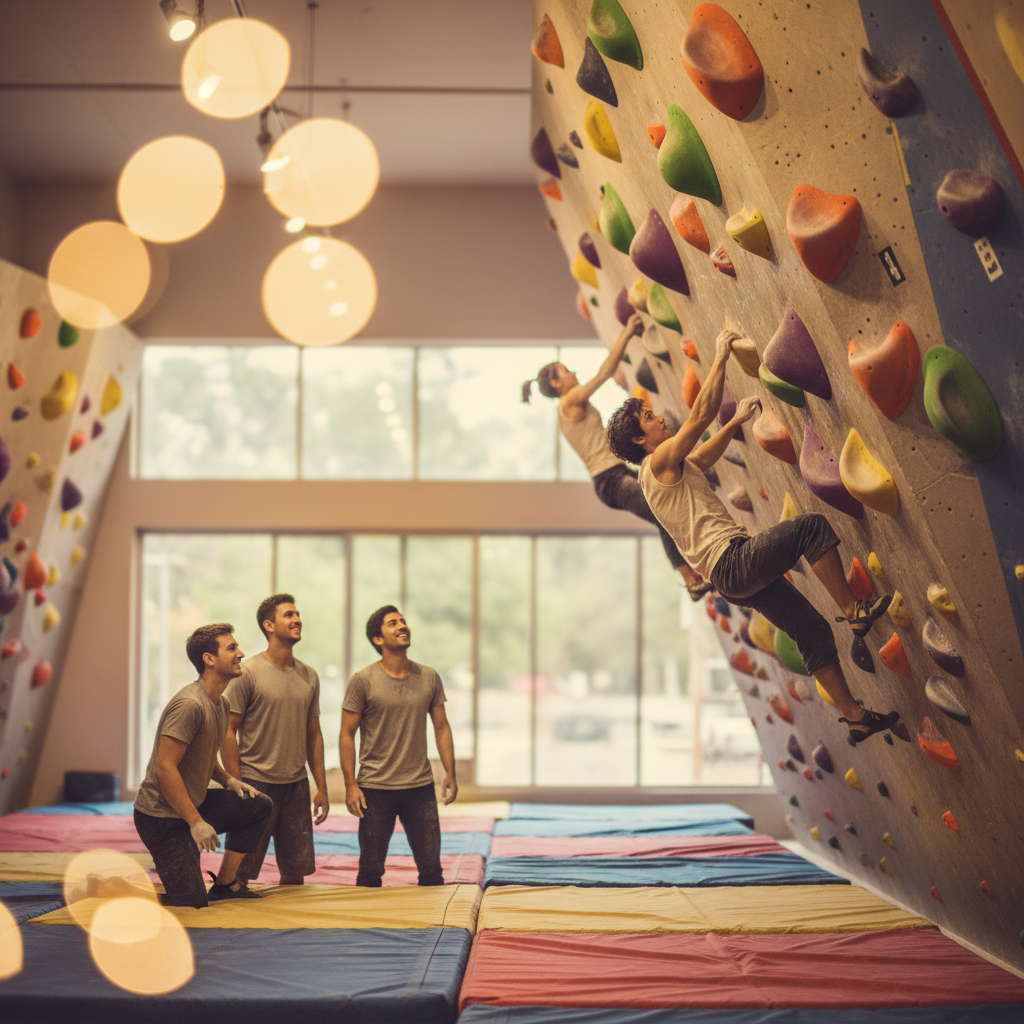
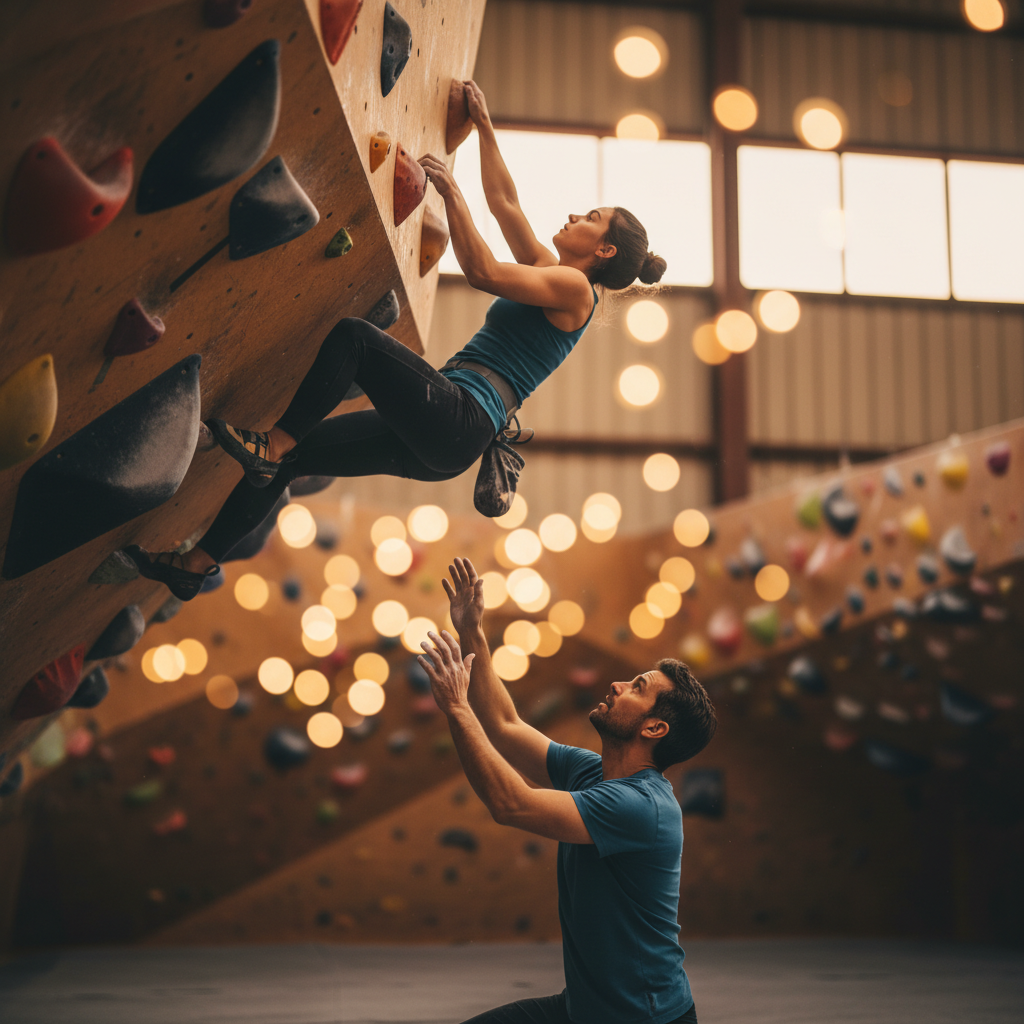
Outdoor boulderers spot instinctively. Gym climbers often don't bother -- the pads create a false sense of invincibility. But proper spotting prevents the catastrophic injuries: inverted falls, off-the-pad landings, head-first contacts.
Effective gym spotter training covers:
- Hand position: Near the climber's hips, not arms or legs. You're guiding the fall, not catching a human.
- Foot position: Athletic stance, ready to shuffle. Never directly under the climber.
- Communication: "I'm spotting" before the climb. "Falling" or "jumping" before descent.
- Priority: Protect head and spine. Guide feet-first landings onto pad center.
Build spotter training into new member orientation. Many competitive gyms require it before allowing climbers above 10 feet.
Kids Fall Differently (And More Often)
Youth bouldering amplifies every risk. Children are less aware of landing mechanics and far more likely to take wild, uncontrolled falls. The CWA recommends these age-based guardrails:
- Under 6: Dedicated kids-only area, walls under 8 feet, extra-thick padding, constant adult supervision
- Ages 6-12: General bouldering area with direct parent or guardian supervision. Height restrictions on certain walls.
- Ages 13-17: Independent bouldering after completing safety orientation. Parental supervision recommended for first visits.
Birthday parties and youth programs need a 1:6 staff-to-child ratio in the bouldering area -- tighter than roped climbing, because falls are more frequent and far less predictable.
Why Your Generic Waiver Won't Survive Court
Standard climbing gym waivers fail in bouldering lawsuits for one reason: they don't clearly communicate that falling from height onto padding is inherent to the activity, not an aberration. Your bouldering waiver must specifically include:
- Explicit acknowledgment that bouldering involves falling without rope protection
- Specific injury risks: broken bones, sprains, head and spinal injuries, and in rare cases, paralysis or death
- Assumption of risk: Voluntary acceptance of these dangers
- Landing surface limitations: Pads reduce but do not eliminate injury risk
- Rules compliance: Agreement to follow posted rules and staff instructions
Have a sports law attorney in your state review it annually. What holds up in Texas may collapse in Connecticut.
The Gap Your Liability Insurance Won't Close
Here's the reality. Even with immaculate pads, trained staff, enforced rules, and a bulletproof waiver -- people will get hurt. Falling is the sport. Injuries are not a question of "if."
Your general liability insurance protects the business if someone sues. It does not pay the climber's $6,500 ankle surgery or their $3,200 wrist fracture treatment. That climber is stuck with the bill, furious, and about to discover how easy it is to leave a one-star review.
Per-visit accident protection changes the equation. Every climber who checks in gets automatic medical coverage for injuries during their visit. Ankle fracture? Covered. Wrist sprain? Covered. They file a claim and the bills are paid. No lawsuit, no bad review, no lost member. At $2-$3 per visit, it folds seamlessly into day pass or membership pricing.
Safety Culture That Doesn't Kill the Send
The hardest part of bouldering risk management has nothing to do with pads or protocols. It's maintaining the raw, community-driven energy of a bouldering gym while enforcing rules that some climbers see as overkill.
Gyms that nail this balance share a few habits:
- Frame rules as community norms, not corporate regulations: "We look out for each other here"
- Let experienced members model safe behavior -- peer influence outperforms staff enforcement every time
- Celebrate good habits: "Nice controlled downclimb!" lands better than "Don't jump off the top"
- Make safety orientation genuinely engaging, not a liability checkbox
- Share injury statistics openly -- transparency builds trust and compliance
The gyms with the best safety records aren't the ones with the most rules. They're the ones where safety is woven so deeply into the culture that climbers police themselves -- and actually want to.
Written by
Climbing Industry Analyst
Jordan covers liability and safety for climbing gyms, with a focus on youth programs and competitions. A climber himself, he brings firsthand understanding of the risks and rewards of the indoor climbing industry.
View all articles →Related Articles
Why you might like these
Obstacle Course Race Medical Planning: From Course Design to Emergency Response
Obstacle course races push participants to their limits across unpredictable terrain. Here's how to plan medical coverage that keeps athletes safe and your organization protected.

Essential Safety Protocols Every Boutique Fitness Studio Needs
Boutique studios offer high-intensity workouts in intimate settings. That means higher injury risk. Here's your safety protocol checklist.
The Guide Service Liability Checklist: 12 Things to Check Before Every Trip
Running adventure tours means managing risk in unpredictable environments. This checklist ensures you've covered the essentials before every trip.