
The Guide Service Liability Checklist: 12 Things to Check Before Every Trip
Key Takeaways
- •12-point pre-trip checklist prevents six-figure lawsuits
- •Communication plans are critical when operating out of cell range
- •Participant accident protection covers medical bills your liability insurance won't
It's 5:47 AM. Your Group Arrives in 13 Minutes. Did You Forget Something?
You've run this trail a hundred times. You could guide it blindfolded. Which is exactly why today is the day something gets missed. The harness with the fraying strap. The participant who didn't mention their heart condition. The satellite phone that's been dead since Tuesday.
Aviation figured this out decades ago: even the most experienced pilots use pre-flight checklists, because experience breeds complacency, and complacency fills body bags. The same principle saves adventure guide services from the kind of catastrophe that shuts businesses down overnight.
Here are 12 non-negotiable checks before any group leaves your doorstep.
The 12-Point Pre-Trip Protocol
1. Participant Screening -- No Gaps, No Exceptions
Medical disclosure form. Emergency contacts (plural). Fitness level self-assessment. Signed liability waiver. All of it stored digitally so you can pull up someone's allergy list from a mountainside if you need to. Paper forms in a filing cabinet back at the office don't help anyone at 9,000 feet.
2. Weather: Check It, Then Check It Again
Forecast pulled within 12 hours of departure. Written backup plan for adverse conditions. And here's the critical part -- make the go/no-go decision before participants arrive. Canceling a trip while eight excited people stare at you is exponentially harder than sending an email the night before.
3. Every Piece of Gear, Every Single Time
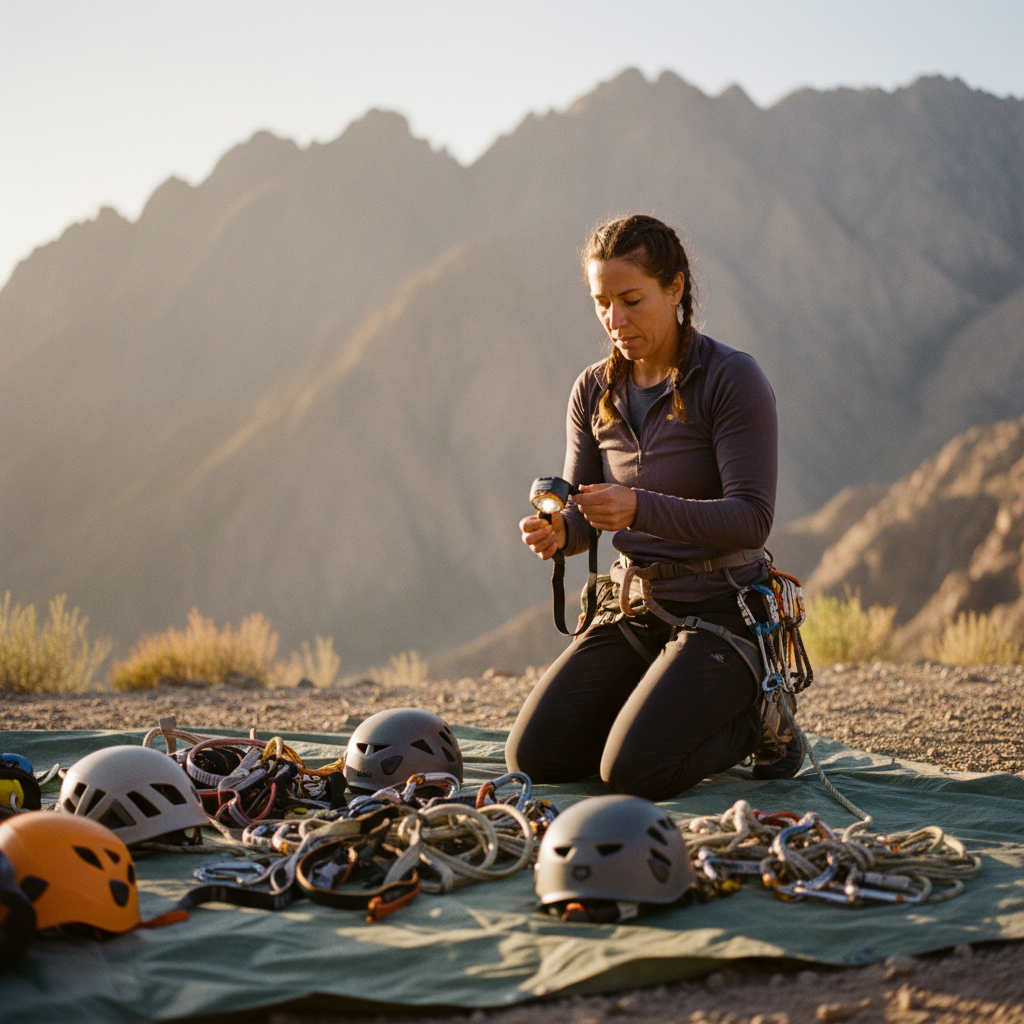
Helmets. Harnesses. Ropes. Carabiners. PFDs. Whatever your activity demands, inspect it all. Tag anything questionable for retirement -- not "next week," now. Document every inspection. That log becomes your best friend if anything ever goes wrong.
4. Are Your Guides Actually Certified Right Now?
Not "certified last year." Not "renewal is next month." Current certification for the specific activity. Current Wilderness First Responder or equivalent medical cert. And confirm your guide-to-participant ratio meets your own standards, not just the legal minimum.
5. The Communication Plan That Could Save a Life
Heading out of cell range? Satellite phone checked, charged, and tested. Someone at base knows your exact route and expected return time. Emergency numbers programmed and accessible without scrolling through contacts.
6. First Aid: Stocked, Specific, and Located
Fully stocked kit -- verified, not assumed. Activity-specific supplies included (EpiPens, altitude medication, whatever your environment demands). Every guide knows where everything sits in the pack without having to dig.
7. Permits and Protection: The Paperwork That Matters
General liability insurance confirmed current. Required permits obtained and physically on-hand. ActiveGuard participant accident protection active and covering today's trip. This takes two minutes to verify and prevents months of legal headaches.
8. Vehicle Check Before the Adventure Even Starts
If you're driving to a trailhead: inspection complete, insurance current, emergency kit loaded, spare tire confirmed. A breakdown on a mountain road with eight clients in the van is not the adventure anyone signed up for.
9. The Briefing Script That Sets the Tone
Standardized safety briefing covering what to expect, safety protocols, communication signals, what to do if separated, and how to call for help. Deliver it with the gravity it deserves. This isn't the boring part before the fun starts. This is the part that keeps the fun from turning dangerous.
10. Emergency Action Plan: Written, Drilled, Ready
Written protocols for injury evacuation, participant separation, equipment failure, and severe weather. Every guide knows the evacuation routes cold. If someone asks "what do we do if..." during the trip, the answer should never be "let me think about that."
11. Participant Gear Audit
Appropriate clothing and footwear -- verified by your eyes, not their word. Personal equipment meeting standards. Adequate water and nutrition for the duration plus buffer. The participant who shows up in cotton for a mountain trek needs to be redirected, not accommodated.
12. Final Headcount and the Expectations Speech
Participant count matches reservation. Clear expectations set for difficulty, duration, and turnaround time. And the non-negotiable closer: everyone understands that the guide makes final safety decisions. Period. No debate on the mountain.
The $8,000 Bill Your Insurance Won't Touch
Your general liability insurance protects your business if someone sues. But when a participant snaps an ankle and faces $8,000 in medical bills? Your insurance doesn't write them a check. It only shields you from the lawsuit.
Progressive guide services include participant accident protection on every trip through ActiveGuard. Someone gets hurt, their medical expenses are covered directly. No furious participant drowning in bills. No scorched-earth reviews. No litigation. Just solid risk management in action.
The 10 minutes you spend on this checklist could save you from a six-figure lawsuit -- or something far worse that no amount of money can fix.
Laminate It. Live It.
Print this list. Laminate it. Tape one copy in your gear room, stash one in the vehicle, keep one at the booking desk. Train every guide to run through it before every trip -- not because you don't trust them, but because the best guides in the world still use checklists.
That's not a sign of inexperience. That's professionalism.
Written by
Adventure Sports Editor
Taylor covers risk management for adventure guide services and outdoor recreation businesses. From rafting outfitters to zip line operators, Taylor helps adventure business owners navigate the liability landscape without slowing down.
View all articles →Related Articles
Why you might like these

Obstacle Course Race Medical Planning: From Course Design to Emergency Response
Obstacle course races push participants to their limits across unpredictable terrain. Here's how to plan medical coverage that keeps athletes safe and your organization protected.

Bouldering Gym Risk Management: The Complete Guide to Pad-Only Climbing Safety
Bouldering gyms face unique liability challenges because falls aren't accidents -- they're expected. Here's how to manage risk when there are no ropes to catch anyone.

Essential Safety Protocols Every Boutique Fitness Studio Needs
Boutique studios offer high-intensity workouts in intimate settings. That means higher injury risk. Here's your safety protocol checklist.