What Is Daily Event Insurance? The Complete Guide for Fitness and Adventure Businesses
Key Takeaways
- •Daily event insurance covers participant medical bills on a no-fault basis — no lawsuit required
- •It fills the gap that general liability leaves open: GL responds to negligence; DEI responds to injuries
- •Platforms like ActiveGuard turn coverage into a revenue stream, not just a cost center
The Coverage Gap Nobody Warned You About
You have general liability insurance. You have property coverage. You probably have a stack of signed waivers collecting dust in a filing cabinet. So when a member trips on a kettlebell and tears their ACL, you're protected, right?
Maybe. Maybe not.
General liability protects your business when someone sues you for negligence. It covers legal defense costs and settlements if a court decides you're at fault. What it does NOT do is pay a guest's medical bills when they get hurt at your facility — regardless of whether you were negligent or not.
That gap — between what your GL policy covers and what injured participants actually need — is exactly where daily event insurance operates. And understanding that distinction is the difference between a claim that disappears quietly and one that turns into a lawsuit.
So What Exactly Is Daily Event Insurance?
Daily event insurance — sometimes called participant accident coverage or same-day liability insurance — is a policy that activates on a per-visit or per-event basis. When a guest, member, or participant engages in an activity at your facility, they're covered for accidental medical expenses incurred during that participation, regardless of fault.
The mechanics work like this:
- Coverage activates per visit: Each time someone participates, a small premium is collected (often built into the session fee or automatically charged). Coverage begins the moment participation starts.
- Medical bills are paid directly: If an injury occurs, the participant's accident medical expenses are covered up to the policy limit — typically $5,000 to $25,000 — without requiring proof of negligence.
- No lawsuit required: Because benefits are paid on a no-fault basis, injured participants get their medical bills handled quickly. They don't need to sue you to get compensation.
- The business earns revenue: Platforms like ActiveGuard structure coverage so the business earns a commission on each covered visit, turning a risk-management tool into a revenue stream.
Who Needs Daily Event Insurance?
Any business where participants engage in physical activity faces the participant accident gap. The higher the physical intensity, the more critical the coverage becomes. Common use cases include:
Gyms and Fitness Centers
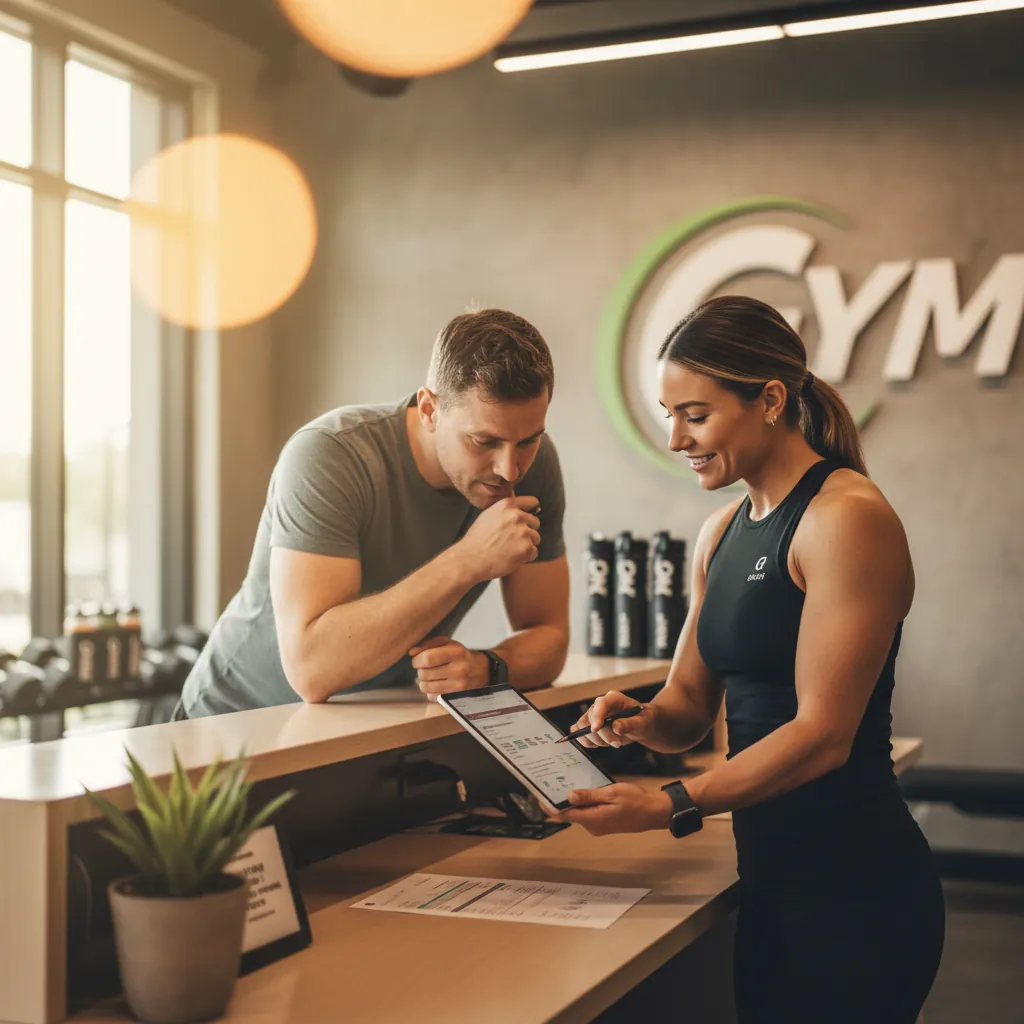
Weight rooms, group fitness classes, personal training sessions — gyms see more physical activity incidents per square foot than almost any other business. Gyms using ActiveGuard automatically cover every member visit, including day pass holders who don't carry their own insurance and often don't expect to need it.
Climbing Gyms
Indoor climbing combines physical exertion with fall risk in ways that make standard gym coverage inadequate. Climbing gym operators face unique liability profiles around belay errors, route-setting decisions, and youth program supervision that daily event coverage addresses directly.
Adventure Sports and Outdoor Guides
Guide services running whitewater trips, zipline tours, mountain bike expeditions, and wilderness expeditions face participant accident exposure on every outing. Adventure operators often find that seasonal or event-specific coverage through a daily model is far more cost-effective than traditional annual policies.
Equipment Rental Companies
When someone rents your paddleboards, bikes, or ski equipment and gets hurt, your GL policy responds to negligence claims — not to medical bills. Rental operators using daily event coverage close that gap for every rental transaction.
How Does Daily Event Insurance Differ From a Traditional Annual Policy?
| Feature | Annual General Liability | Daily Event Insurance |
|---|---|---|
| Trigger | Proven negligence (someone must sue you) | Accidental injury during participation (no-fault) |
| Who gets paid | Your legal defense and settlements | The injured participant's medical bills |
| Speed | Months to years (litigation process) | Days to weeks (direct claims payment) |
| Cost structure | Fixed annual premium | Per-visit or per-event premium |
| Lawsuit prevention | No (resolves lawsuits after filing) | Yes (paying bills reduces motivation to sue) |
How Does Pricing Work?
Daily event insurance pricing is typically structured as a small per-participant fee — usually $0.50 to $3.00 depending on activity risk level. For a gym with 200 member visits per day, the math looks like this:
- 200 visits × $1.00 per visit = $200/day in coverage costs
- On a platform like ActiveGuard, the business earns a percentage commission back, often bringing the net cost significantly lower
- Some operators build the cost into session fees so it's revenue-neutral or even revenue-positive
The key insight: daily event insurance isn't a cost center. When structured correctly through a platform built for this purpose, it generates positive economics while materially reducing your lawsuit exposure. See how pricing works for your business type.
Does Daily Event Insurance Replace My General Liability Policy?
No — and it shouldn't. Daily event insurance and general liability serve different functions and work best together:
- General liability protects your business from third-party injury claims, property damage, and negligence lawsuits. You need it. Keep it.
- Daily event insurance covers participant accident medical expenses on a no-fault basis, preventing many situations from escalating into lawsuits in the first place.
Think of GL as your financial defense if someone sues. Think of daily event insurance as the system that prevents most injuries from ever reaching that point.
The best general liability claim is one that never gets filed. Daily event insurance is the mechanism that makes that outcome far more likely.
What About Waivers?
Liability waivers are valuable legal tools that protect you from negligence claims in many states. But they have real limitations: they're frequently challenged in court, they don't apply to gross negligence, and they do nothing to pay an injured participant's medical bills.
We've written a deep-dive on waivers vs. insurance: why you need both if you want the full legal picture.
Getting Started
For most fitness and adventure businesses, setting up daily event insurance takes less than a day. The partner application connects you with a coverage platform, and once approved, your participants are covered automatically with every visit or event session.
The businesses that benefit most are those that act before an injury occurs. After the fact, insurance is just damage control. Before the fact, it's the system that keeps a bad situation from becoming a catastrophic one.
If you're not sure whether daily event insurance makes sense for your specific business model, explore how it works for gyms, climbing facilities, adventure operators, and equipment rental companies — each with coverage structures tailored to the specific risk profiles of those industries.
Written by
Risk Management Editor
Sarah covers safety and compliance for fitness businesses, helping gym owners protect their members and their bottom line. With over a decade covering workplace safety and liability, she translates complex insurance concepts into actionable guidance for gym operators.
View all articles →Related Articles
Why you might like these

Event Insurance for Gyms: Every Coverage Question Gym Owners Actually Ask
From open gym sessions to fitness competitions, every event at your facility creates liability exposure your annual policy may not cover. This guide answers the questions gym owners ask most.

How to Choose an Event Insurance Provider: 7 Questions Every Fitness Business Must Ask
Not all event insurance platforms are built the same. Before you commit to any coverage provider, these seven questions will separate the platforms that actually protect your business from the ones that just take your money.

General Liability vs. Participant Accident Insurance: The Coverage Gap That Costs Businesses Thousands
Most activity-based businesses have general liability insurance and assume they're covered. They're not. Here's the gap that leads to lawsuits, bad reviews, and lost customers.