
How Seasonal Adventure Businesses Smooth Out Revenue Year-Round
Key Takeaways
- •Indoor/outdoor hybrid offerings can generate $35K+ in winter revenue
- •Online courses create passive income from expertise you already have
- •Membership programs convert 15% of summer customers into year-round revenue
It's November. Your Bank Account Looks Like a Horror Movie.
Three months ago you were turning away customers. The phone rang constantly. Rafts were booked solid. Guides were pulling overtime. Life was good.
Now? Crickets. You're staring at payroll for five employees, a warehouse full of gear collecting dust, and nine months of this stretching ahead. Your stomach tightens every time you open the banking app.
If you run a rafting company, zip line tour, or any seasonal adventure operation, you know this gut-punch intimately. But here's what the businesses that actually survive long-term figured out: the off-season isn't a waiting room. It's a second business.
Move 1: Take the Adventure Indoors
Can't raft in winter? Nobody can. But your customers still crave adrenaline in January. Partner with an indoor climbing gym for "Adventure Training" packages. Run indoor workshops, team-building sessions, and gear clinics that keep your brand alive during the cold months.
A Colorado rafting company generates $35,000 every winter running avalanche safety courses and winter camping workshops. Different activity. Same adventure-hungry customers. Same brand loyalty building month after month.
Move 2: Corporate Retreats Fill the Calendar Nobody Else Wants
Companies need team building year-round, not just when it's sunny. Your facility -- that empty, quiet, beautiful facility -- is a corporate retreat venue waiting to be marketed.
Meeting space. Guided activities adjusted for weather. Catering partnerships with local restaurants. Price it at 60% of peak-season rates. A half-full calendar at reduced rates beats a completely empty one at any rate.
Move 3: Your Gear Room Is a Rental Shop in Disguise
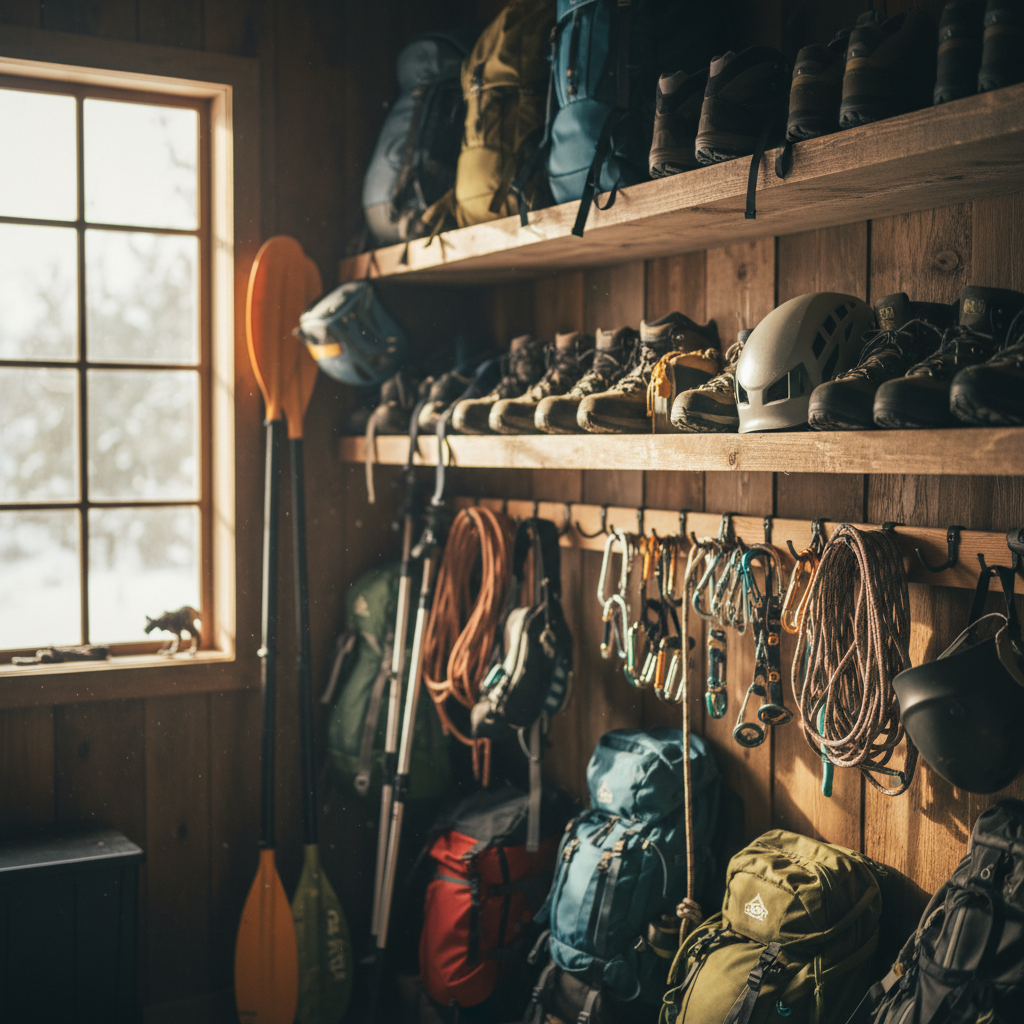
You already own the equipment. You already have the storage space. You already know what's good and what's junk. Rent it directly to individuals in the off-season: camping gear, paddleboards, mountain bikes, winter sports equipment.
Layer in high-margin retail -- dry bags, water bottles, branded apparel -- and you've got year-round revenue with almost zero additional overhead. The gear was just sitting there anyway.
Move 4: Sell What You Know (Record It Once, Earn Forever)
Your expertise didn't stop being valuable just because the river froze. Online courses in wilderness first aid, guide training, trip planning, or gear selection sell at $50-$200 per enrollment.
One adventure company generates $4,500 per month in passive income from courses they recorded three years ago. That's not a side project. That's a business line that runs while you sleep.
Move 5: The Membership Model That Defies Seasons
Instead of selling individual trips and praying for repeat customers, offer annual memberships. Priority booking. Discounted rates. Members-only expeditions. Gear storage. Partner discounts. Price at $300-$500 per year.
Convert just 15% of your summer customers into members, and suddenly you have predictable monthly revenue landing in your account while snow piles up outside. That's the difference between surviving winter and actually planning for it.
The Insurance Play Most Seasonal Businesses Miss
Traditional adventure insurance is a seasonal trap. High premiums during operating season, reduced premiums in the off-season when you're running zero trips. You're paying for coverage you don't need.
The smarter approach: per-trip or per-participant coverage through ActiveGuard that scales with your actual activity level. Busy July? Coverage matches your bookings. Dead January? Minimal costs. Your insurance bill finally reflects your reality instead of some actuary's worst-case spreadsheet.
The goal isn't to make as much in winter as summer. It's to never again lie awake in December wondering how you'll survive until May.
Pick Two. Start This Week.
You don't need all five strategies. Pick the two that fit your skills and your customer base:
- Rafting company? Corporate retreats plus gear rental
- Zip line tour? Online courses plus winter events
- Hiking guide service? Membership program plus indoor training partnerships
Six months from now, you'll open your banking app in November and feel something unusual. Not panic. Not dread. Just the quiet confidence of a business that finally learned how to breathe year-round.
Written by
Business Strategy Writer
Casey helps seasonal adventure businesses build sustainable year-round revenue. Drawing on years of consulting with outdoor recreation operators, he focuses on practical strategies that work in the real world — not just on paper.
View all articles →Related Articles
Why you might like these

How Same-Day Insurance Became the Competitive Advantage Nobody Saw Coming
Businesses across the fitness, adventure, and events industries are discovering that built-in accident protection does more than reduce liability. It drives revenue, retention, and referrals.

How to Increase Race Registration Revenue Without Raising Entry Fees
Entry fees are hitting resistance. But there are six other revenue streams race directors are using to boost profitability.

Yoga Studio Class Size: Finding the Sweet Spot Between Revenue and Experience
Bigger classes mean more revenue per hour. But overcrowded classes drive members away. Here's how to find your studio's optimal class size.