
Cryotherapy & Float Tank Insurance: Covering the Modalities Traditional Insurers Won't Touch
Key Takeaways
- •Traditional insurers reject novel modalities due to insufficient actuarial claims data
- •Wellness centers need four coverage layers: general, professional, product, and equipment
- •Expect to pay 30-60% more for insurance on novel modalities vs traditional spa services
- •Contraindication screening prevents the majority of serious adverse events and protects in court
- •Client accident protection at $3-$8 per session covers medical bills regardless of fault
You Just Spent $180,000 on a Machine Your Insurer Has Never Heard Of
The cryotherapy chamber is installed. The float tanks are plumbed. The infrared sauna suite smells like fresh cedar. Your wellness center is modern, bookable, and growing faster than you expected. Then you call your insurance broker to add coverage.
"We don't cover that."
Three words. That's the reality facing thousands of wellness business owners offering what traditional insurers call "novel" or "high-risk" modalities -- cryotherapy, float therapy, infrared saunas, hyperbaric oxygen, red light therapy beds, cold plunge pools. The problem isn't danger. Most of these modalities have strong safety records when properly operated. The problem is data. Insurers price risk on actuarial tables, and there simply isn't enough claims history for traditional carriers to underwrite with confidence.
What Keeps Underwriters Up at Night
Before chasing coverage, you need to understand what insurers are actually worried about. Each modality carries a distinct risk fingerprint.
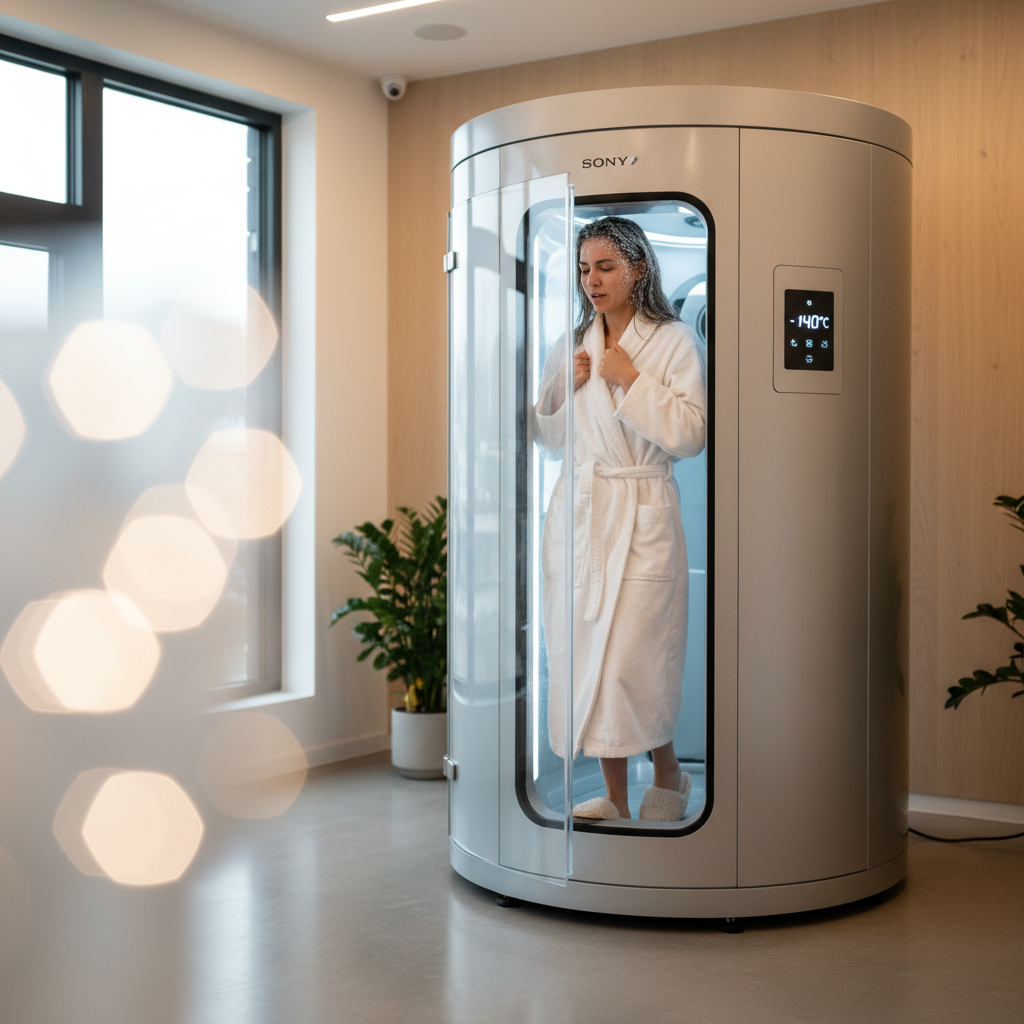
Cryotherapy: The -300 Degree Gamble
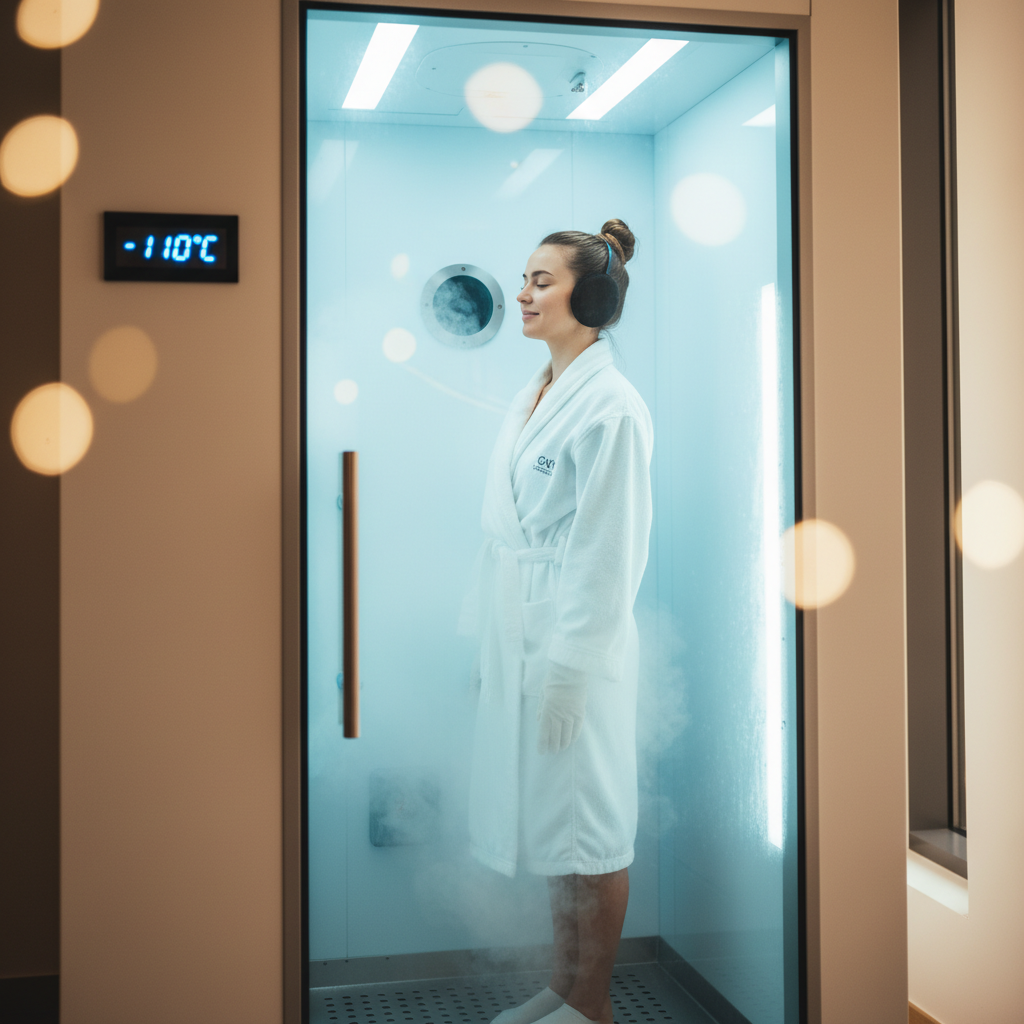
Whole-body cryotherapy exposes the body to temperatures between -200 and -300 degrees Fahrenheit for 2-4 minutes. Documented risks include:
- Cold burns and frostbite: The most common injury -- caused by moisture on skin, forgotten jewelry, or exceeding session times. Incidence rate: roughly 1 in 3,000 sessions.
- Hypoxia risk: Nitrogen-cooled chambers displace oxygen. In 2015, a Las Vegas cryotherapy technician died from asphyxiation after entering a chamber alone after hours. That single incident reshaped insurance pricing for the entire industry.
- Vasovagal response: Sudden blood pressure changes cause fainting, especially in first-timers. Falls from fainting account for about 15% of cryotherapy injury reports.
- Pre-existing condition complications: Raynaud's disease, uncontrolled hypertension, cold urticaria, and cardiac conditions can trigger severe reactions.
Float Tanks: Tranquility With Teeth
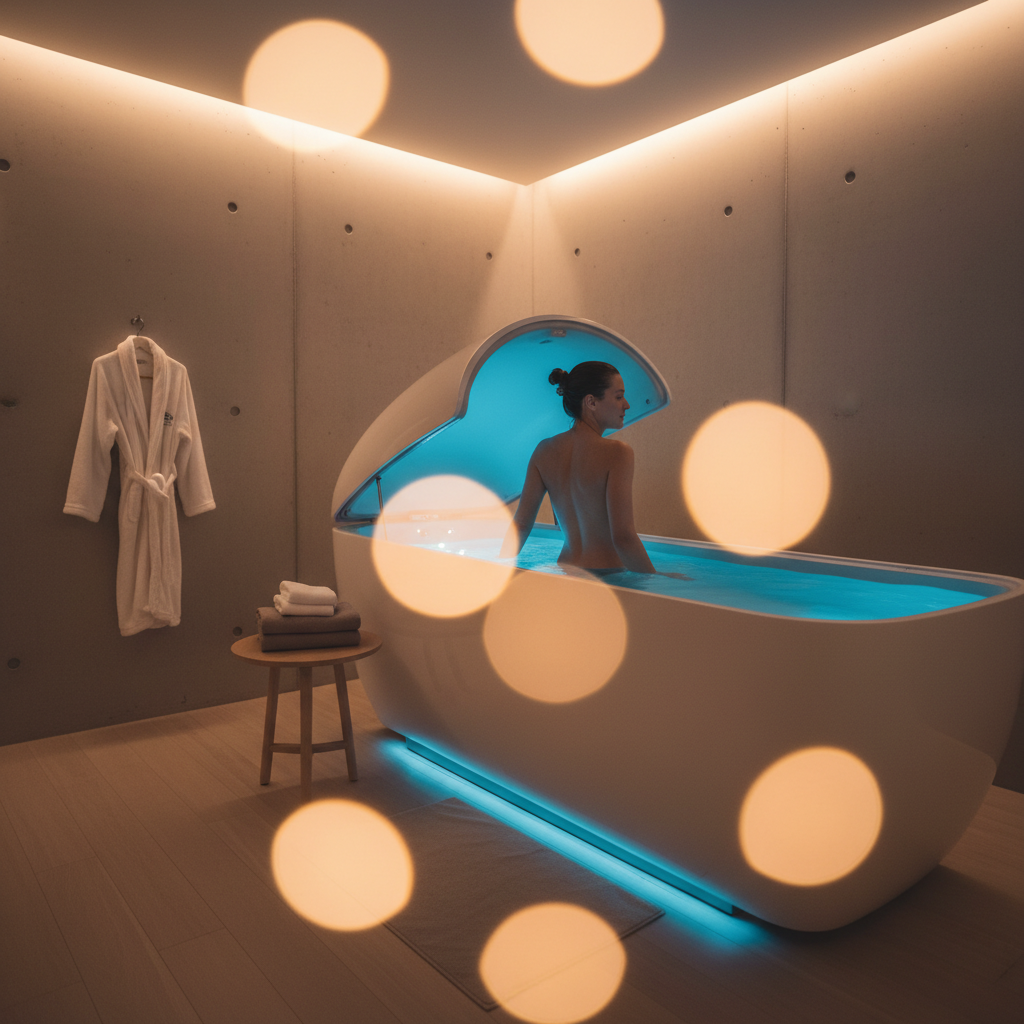
Lying in a lightproof, soundproof pod filled with 800-1,000 pounds of dissolved Epsom salt sounds peaceful. The risk profile tells a different story:
- Skin and eye irritation: The extreme salt concentration (specific gravity 1.25-1.30) causes severe eye stinging and irritates open cuts or fresh tattoos.
- Slip and fall hazards: Epsom salt residue makes float room floors dangerously slippery. Slip-and-fall injuries are the number one claim category for float centers.
- Drowning risk: Rare due to buoyancy, but it has happened -- typically when clients fall asleep face-down or have consumed alcohol or sedatives beforehand.
- Claustrophobia and panic: Sensory deprivation triggers panic attacks in some clients, causing sudden exits and injuries from disorientation in the dark.
- Water quality: Improperly maintained solutions harbor bacteria despite the salt. Pseudomonas and Legionella are the primary concerns.
Four Layers of Coverage (And Why You're Probably Missing Two)
Wellness centers with novel modalities need four distinct coverage layers. Most can be bundled into a single business owner's policy with the right specialty insurer.
Layer 1: General Liability
Your baseline. Covers premises liability, property damage, basic negligence. Standard limits: $1M per occurrence, $2M aggregate.
But wait. Most standard GL policies explicitly exclude "professional services" and "treatment-related injuries." A client who slips in your parking lot? Covered. A client who gets a cold burn during cryotherapy? Probably not -- unless your policy specifically endorses these modalities.
Layer 2: Professional Liability (Malpractice)
This is the layer most wellness centers are missing entirely. Professional liability covers treatment-related injuries, failure to screen for contraindications, and improper protocol execution. Without it, a cold burn claim has zero coverage response. Cost: $1,500-$4,000 per year depending on modalities and revenue.
Layer 3: Product Liability
Sell supplements, skincare, or any consumable items? You need this. An allergic reaction to a product you sold won't be covered under general liability.
Layer 4: Equipment Breakdown
A $180,000 cryotherapy chamber malfunction isn't just an operational headache. If temperature regulation fails mid-session, someone gets seriously hurt. Equipment breakdown coverage pays for repairs, replacement, and consequential damages.
Where to Find an Insurer Who'll Actually Say Yes
If your broker has called three carriers and received three rejections, it's time to go specialty. Here's where to look:
Carriers That Write Wellness
- Philadelphia Insurance Companies (PHLY): One of the few specialty markets actively underwriting cryotherapy and float therapy
- Markel Specialty: Writes fitness and wellness with some novel modality coverage
- K&K Insurance (Aon): Sports and recreation specialists, including wellness facilities
- NEXT Insurance: Digital-first with wellness-specific policies
- Surplus lines markets: Lloyd's of London syndicates and domestic E&S carriers write what admitted carriers won't
Expect to pay 30-60% more for novel modality coverage compared to a traditional spa or massage-only center. A wellness center with cryo and float tanks typically runs $8,000-$18,000 per year for comprehensive coverage.
The Screening Checklist That Prevents Lawsuits
Proper contraindication screening prevents the majority of serious adverse events. It also proves to your insurer -- and to a judge, if it comes to that -- that you operate responsibly.
Cryotherapy: Do Not Enter If...
- Uncontrolled hypertension (BP above 180/120)
- History of deep vein thrombosis or blood clots
- Raynaud's disease or cold urticaria
- Seizure disorders
- Cardiac conditions: arrhythmia, pacemaker, recent heart attack
- Pregnancy
- Open wounds or recent surgery
- Severe peripheral neuropathy
- Current intoxication from alcohol or drugs
Float Therapy: Do Not Float If...
- Open wounds, cuts, or recent tattoos (within 4 weeks)
- Active skin infections or contagious conditions
- Recent hair coloring (within 7 days -- dye contaminates the solution)
- Epilepsy or seizure disorders (drowning risk)
- Active psychotic episodes or severe untreated mental health conditions
- Kidney disease (magnesium absorption risk)
- Current intoxication
- Incontinence (sanitary concern)
Screen every client, every visit. Digital intake form, mandatory acknowledgment before scheduling. Store records for a minimum of 7 years -- the typical statute of limitations for personal injury in most states.

Why a Generic Waiver Won't Survive Discovery
For novel modalities, you need modality-specific informed consent -- separate from your general liability waiver. Courts give significantly more weight to specific consent documents. Yours must:
- Explain the procedure in plain language (what will happen during the session)
- List specific risks including the most serious possible outcomes
- Describe benefits without making medical claims (avoid "cures," "treats," or "heals")
- Document the client's opportunity to ask questions
- Include the client's signature and date
- Exist as a separate document from your general waiver
Have a healthcare attorney review these annually. The FDA, FTC, and state regulators have increasingly scrutinized health claims by cryotherapy and float businesses. Your consent form should not promise outcomes you can't substantiate.
The $3 Safety Net That Changes the Client Relationship
Even with proper insurance, screening, and consent, minor adverse events will happen. A client gets dizzy after cryo and falls. A floater gets salt in their eyes and develops corneal irritation. A cold plunge user has a vasovagal episode.
These aren't catastrophic events. But they generate $1,500-$5,000 medical bills that land squarely on your client's lap. Your professional liability insurance won't pay -- you weren't negligent, the event was a known risk that the client consented to.
Client accident protection fills this gap. Every session includes automatic medical coverage regardless of fault. No lawsuit, no claims against your policy, no angry reviews about surprise ER bills.
For wellness centers, protection runs $3-$8 per session depending on the modality risk profile. Build it into your pricing. Market it as "All sessions include accident protection." It's a competitive differentiator that signals genuine client care -- and quietly neutralizes your biggest reputation risk.
Imagine Being the Standard Everyone Else Follows
The wellness industry is young enough that operators who nail compliance now will define best practices for everyone who follows. Here's your priority list:
- Get properly insured: Specialty broker, coverage that explicitly names your modalities
- Implement contraindication screening: Digital intake, every client, every visit
- Create modality-specific informed consent: Reviewed annually by a healthcare attorney
- Add client accident protection: Close the gap between your coverage and your client's medical bills
- Document everything: Screening forms, consent, session logs, equipment maintenance, staff training
Be the business that other wellness centers point to when they ask "how should we handle this?" Because the ones who treat compliance as a competitive advantage -- not a burden -- are the ones still growing five years from now.
Written by
Wellness Industry Expert
Dr. Patel advises wellness centers and spas on liability, insurance, and regulatory compliance. Her clinical background combined with business acumen gives wellness operators a trusted voice when navigating the complex intersection of health and commerce.
View all articles →Related Articles
Why you might like these

Wellness & Spa Liability Insurance: What Your Policy Might Not Cover
Running a wellness center or spa comes with unique liability risks. Here's what most owners don't realize about their coverage gaps.

What Is Daily Event Insurance? The Complete Guide for Fitness and Adventure Businesses
Daily event insurance is same-day liability coverage that activates the moment a guest, member, or participant walks through your door. Here's how it works, who needs it, and why traditional annual policies leave a dangerous gap.

Event Insurance for Gyms: Every Coverage Question Gym Owners Actually Ask
From open gym sessions to fitness competitions, every event at your facility creates liability exposure your annual policy may not cover. This guide answers the questions gym owners ask most.