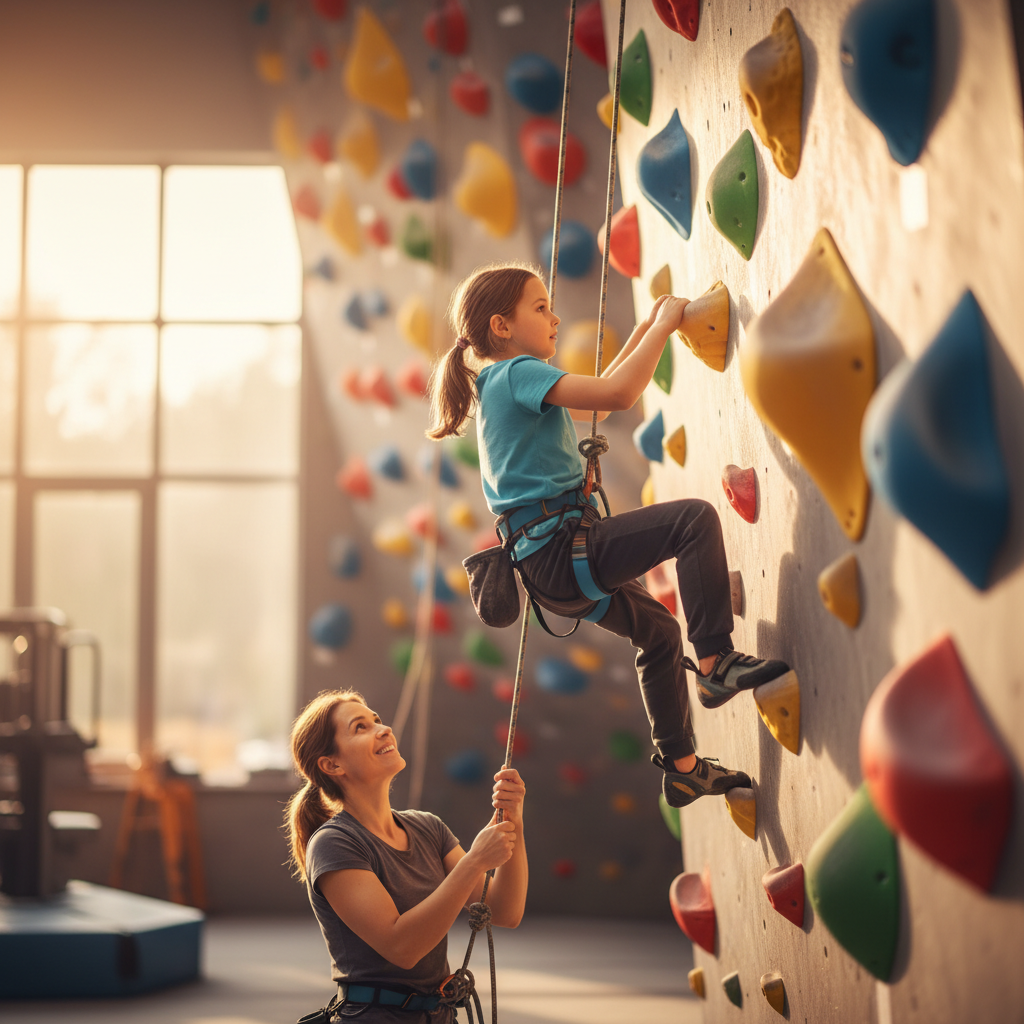
Youth Climbing Programs: A Complete Liability Guide for Gym Owners
Key Takeaways
- •Three liability layers needed: parental consent, staff certification, accident protection
- •Auto-belay areas require daily inspection logs and youth-specific training
- •Birthday parties need dedicated staff and strict participant limits
A 9-Year-Old Just Fell Off Your Bouldering Wall. Now What?
The thud is unmistakable. Every head in the gym turns. A kid is on the ground clutching his wrist, and his mom is already running across the floor with that look -- the one that sits somewhere between terror and fury.
Youth climbing programs are a gold mine. They build community, create future adult members, and generate consistent revenue that smooths out your monthly numbers. But here's the part nobody puts on the brochure: they also represent your single highest liability exposure.
The good news? With the right systems, this scenario either never happens or gets handled so well that the family becomes your biggest advocate. Here's how.
Three Layers Between You and a Six-Figure Nightmare
Layer 1: Parental Consent That Actually Protects You
A waiver signed by a parent is necessary. It is not sufficient. Not even close. You also need current medical conditions and medications, multiple emergency contacts, allergy information, and explicit permission for emergency medical treatment.
Store all of it digitally. When a kid is on the ground and you need to know if they're allergic to ibuprofen, "I think the paper form is in the filing cabinet" is not an acceptable answer.
Layer 2: Staff Who Are Actually Qualified
Your youth instructors need more than climbing chops and a friendly personality. Current CPR and First Aid certification. Background checks -- legally required in many states for youth programs, and non-negotiable everywhere else. Youth-specific climbing instructor certification. Behavioral management training.
That last one matters more than you think. A kid who's acting out near the top of a wall isn't a discipline problem. It's a safety emergency waiting to happen.
Layer 3: The Protection Gap Nobody Mentions
Your general liability insurance protects you if a parent sues. It does NOT pay the child's medical bills.
Let that sink in.
A broken arm during your youth program means the parents absorb a $5,000-$8,000 bill. They signed a waiver, sure. But they're still furious, still writing reviews, and still talking to their friends about what happened at your gym.
The Auto-Belay Paradox: Amazing Tool, Serious Responsibility
Auto-belays are brilliant for youth programs -- they eliminate partner belaying and let kids climb independently. But they come with a catch that makes experienced gym owners lose sleep:
- Daily inspection logs -- documented every single day, no exceptions
- Manufacturer-recommended service intervals that you never, ever skip
- Youth-specific training on clip-in procedures (kids forget things adults wouldn't)
- Constant staff supervision in auto-belay areas when youth are present
An auto-belay that wasn't inspected this morning is not a functioning piece of safety equipment. It's a liability waiting to be activated.
Birthday Parties: Where Revenue Meets Risk
Birthday parties print money. They also concentrate ten to fifteen excited, distracted, sugar-fueled kids in a space designed for careful, focused climbing. The protocols here aren't optional:
- Mandatory safety briefing at the start of every party -- before anyone touches a wall
- A dedicated staff member assigned exclusively to the party group
- Parents must stay in the facility (no drop-offs)
- Participant limits tied directly to available staff ratios
When It Happens Anyway (And It Will)
Even with perfect systems, kids fall. Kids collide. Kids do things no adult could predict. Your response protocol is what separates a bad day from a catastrophe:
- Immediate medical assessment by certified staff
- Contact parents within five minutes -- not "as soon as we can"
- Document everything: what happened, who was supervising, what equipment was involved, who witnessed it
- File a formal incident report within 24 hours
- Debrief with staff to identify process improvements
Closing the Gap That Sinks Climbing Gyms
Smart climbing gyms are adding participant accident protection to every youth session through providers like ActiveGuard. It costs pennies per participant and ensures that if a child gets injured, their medical bills are covered. Period.
No parent staring at a $7,000 bill. No one-star reviews about your "dangerous" facility. No lawyers getting involved. Parents actually appreciate the extra layer of care, and your gym earns a commission on every protected session. That's not just risk management. That's trust, built into the business model.
Written by
Climbing Industry Analyst
Jordan covers liability and safety for climbing gyms, with a focus on youth programs and competitions. A climber himself, he brings firsthand understanding of the risks and rewards of the indoor climbing industry.
View all articles →Related Articles
Why you might like these

Waivers Are Not Insurance: The Legal Protection Guide for Activity-Based Businesses
Liability waivers and insurance serve completely different functions. Most business owners conflate them, creating dangerous gaps in their legal and financial protection.
Zip Line Tour Safety & Compliance: Meeting ACCT Standards Without Breaking the Budget
ACCT standards aren't optional for zip line operations that want to stay insured and stay open. Here's what compliance actually requires and what it costs.

Running Race Participant Insurance: What Race Directors Need to Know
Hosting a running race means taking on significant liability. Here's how to protect your participants, your organization, and your budget.