
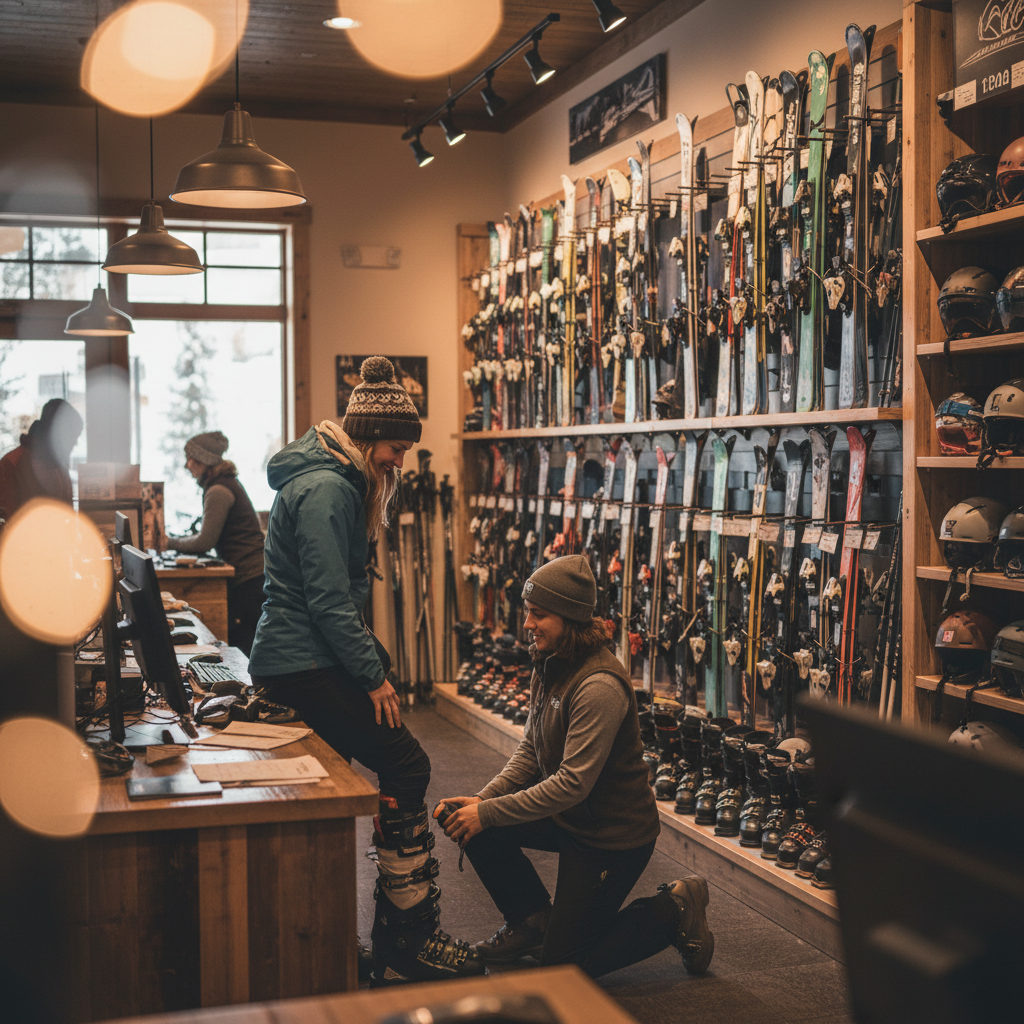
How Ski Rental Shops Are Boosting Profit Margins in a Competitive Market
Key Takeaways
- •Pre-booking incentives can capture 60% of revenue before the season starts
- •Protection packages see 65-75% adoption rates, especially from families
- •Demo equipment partnerships with manufacturers double margins on premium rentals
Your Margins Are Shrinking and You Can Feel It in Your Chest
Running a ski rental shop used to be simple. Buy gear. Rent gear. Deposit checks. But somewhere between the online rental sites undercutting your prices and the resort shop capturing every guest before they leave the lodge, the math stopped working.
Equipment costs up 18% in two years. Base rental rates flat or declining. And that family of four that used to rent from you? They booked through an app three days ago and picked up at the mountain.
The fix is simpler than you think. The shops thriving right now aren't winning on price. They're winning on revenue per rental.
Get Paid Before the First Snowflake Falls
Pre-booking isn't just convenient for customers. It's a cash flow lifeline for you. Offer a 15-20% discount for online bookings made at least 48 hours in advance.
The benefits stack fast: guaranteed revenue before the season opens, tighter inventory planning, less chaos at the counter on Saturday morning, and customers who won't shop around because they've already paid.
One Colorado shop generates 60% of its entire seasonal revenue through pre-bookings -- all locked in before Thanksgiving. While competitors are praying for a good snow report, they're already profitable.
The Add-On Margins That Should Make You Blush
You can't charge $20 more than the shop down the street for base rentals. Everyone knows the going rate. But add-ons? That's where the real money hides:
- Boot warmers: cost you $2, charge $8-$12. That's a 500% margin.
- Helmet rentals: $3 cost, $15 revenue
- Ski wax service: $1 in materials, $12-$18 charged. Fourteen dollars for five minutes of work.
- Goggle rentals: $2 cost, $10 revenue
The key? Train your staff to suggest naturally. "Want us to hot-wax those boards while you grab coffee? Only $15 and they'll feel like butter on the groomers." Not pushy. Helpful. Profitable.
Why Longer Rentals Actually Make You More Money (Not Less)
This sounds backwards, but multi-day rentals at discounted rates are more profitable than single-day rentals. Lower processing costs per day. Fewer equipment swaps wearing down your gear. Guaranteed revenue instead of hoping they come back tomorrow.
Price structure that works: $60 for one day, $150 for three (effective $50/day), $250 for seven (effective $36/day). The customer feels smart for "saving money." You see guaranteed revenue and reduced operational friction. Everyone's happy.
The Protection Package: Your Highest-Margin Product
Most ski rental shops never consider this. Which is exactly why it's such an opportunity.
Offer a "Ski Safe Package" for $20-$25 that bundles two things:
- Damage waiver -- customer isn't liable if they scratch or break equipment
- Accident protection through ActiveGuard -- medical coverage if they get injured on the slopes
Adoption rate? 65-75% of customers opt in. Families especially -- they want to enjoy their vacation, not worry about what happens if little Timmy yard-sales into a tree. You earn commission on the accident protection and the damage waiver covers your actual repair costs. Pure upside.
The Demo Fleet: Same Shelf Space, Double the Revenue
Partner with ski manufacturers to stock their latest demo equipment. Charge a 30-50% premium for "demo fleet" rentals of current-season, high-end skis. Manufacturers often subsidize your purchase cost because they want enthusiasts trying their newest models.
Budget-conscious families stick with standard rentals. The gear-obsessed enthusiast? They'll happily pay $90 a day to test the skis they've been reading about all summer. Same rack space. Double the margin.
What a Busy Saturday Looks Like With All Four Levers Pulled
- 30 rentals at $60 base rate = $1,800
- 40% pre-booked (operational savings) = $300
- 20 protection packages at $25 = $500
- 25 add-ons averaging $12 = $300
- 10 demo upgrades at $30 premium = $300
Total: $3,200 versus $1,800 baseline. That's a 78% increase on the same foot traffic. No new marketing spend. No additional square footage. Just smarter revenue capture on every single transaction.
The ski rental shops winning in 2026 don't have the most locations. They extract the most value from every customer who walks through the door.
Start Here, Then Layer
Pre-booking incentives first -- easiest to implement, immediate cash flow impact. Protection packages second -- minimal staff training, high adoption out of the gate. Then add-ons and demo equipment as you refine the machine.
Imagine next season: revenue up 50-80%, same customer volume, and zero arguments about damaged equipment at the return counter. That's not a fantasy. That's four strategic moves executed consistently.
Written by
Retail Strategy Analyst
Morgan specializes in profit margin optimization for ski and outdoor equipment rental shops. With a background in retail operations, she helps rental businesses find revenue in the details that most operators overlook.
View all articles →Related Articles
Why you might like these
How Same-Day Insurance Became the Competitive Advantage Nobody Saw Coming
Businesses across the fitness, adventure, and events industries are discovering that built-in accident protection does more than reduce liability. It drives revenue, retention, and referrals.
How to Increase Race Registration Revenue Without Raising Entry Fees
Entry fees are hitting resistance. But there are six other revenue streams race directors are using to boost profitability.

Yoga Studio Class Size: Finding the Sweet Spot Between Revenue and Experience
Bigger classes mean more revenue per hour. But overcrowded classes drive members away. Here's how to find your studio's optimal class size.