
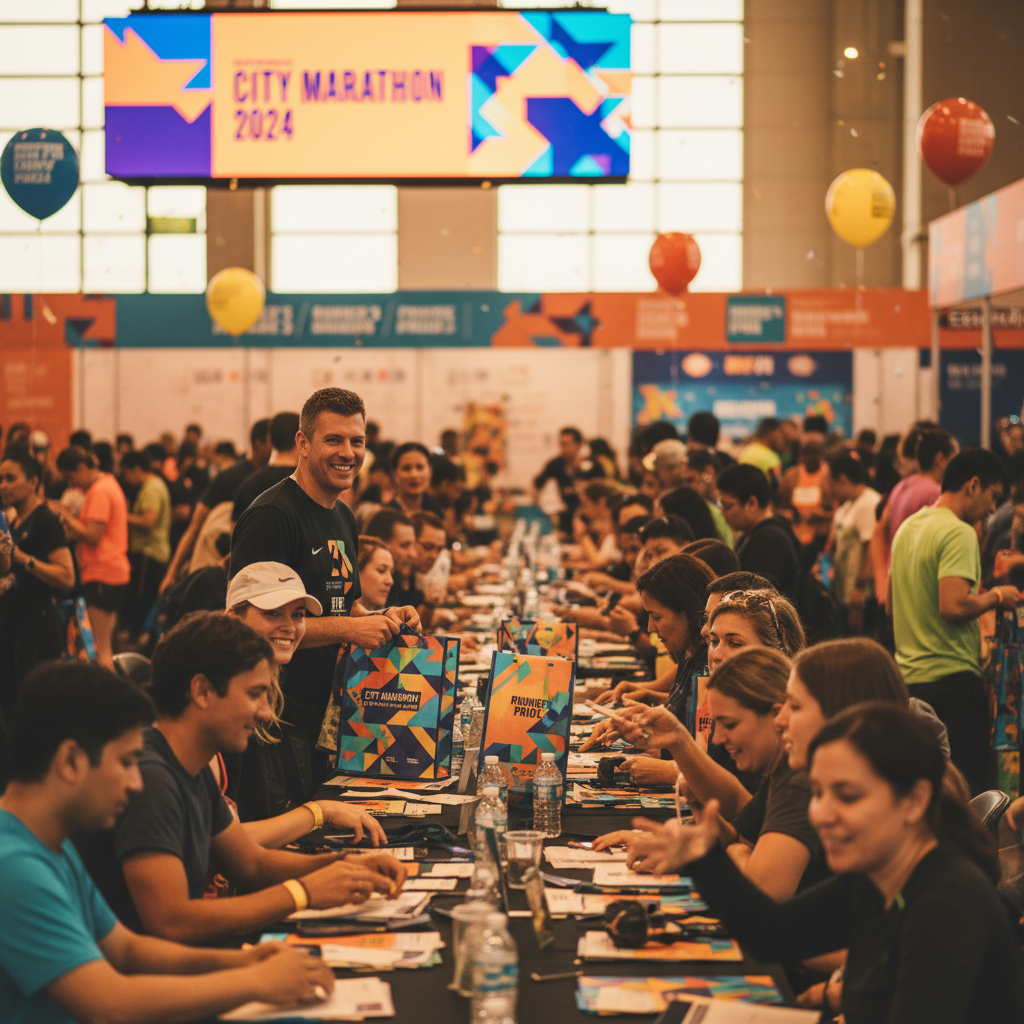
How to Increase Race Registration Revenue Without Raising Entry Fees
Key Takeaways
- •Tiered pricing increases total revenue 15-25% while keeping average cost reasonable
- •VIP packages at 2-3x standard price see 10-15% upgrade rates
- •Six revenue streams can increase total event revenue by 67% without raising base fees
You Can't Charge $50 for a 5K Anymore. So Now What?
There's a ceiling on race registration fees and everyone in the industry can feel it pressing down. Push a 5K past $45, runners vanish. Try $150 for a half marathon, they register for the one across town at $120.
Meanwhile, your costs keep climbing. Permits up. Timing system fees up. Insurance up. Marketing costs up. The margin between what runners will pay and what your race costs to produce is getting thinner every year.
But here's the thing. The race directors making serious money in 2026 aren't touching their base entry fees. They found six other levers to pull.
Lever 1: Tiered Pricing That Runners Actually Respect
Early bird pricing isn't revolutionary. But most races execute it terribly. They set a deadline, then extend it. Then extend it again. Runners learn that "early bird" is meaningless and wait until the last minute anyway.
The structure that works:
- Super Early (6+ months out): $35 for 5K, $85 for half marathon
- Early (3-6 months): $40 / $95
- Regular (1-3 months): $45 / $110
- Late (last 2 weeks): $55 / $130
- Race day: $65 / $150
The key? Make deadlines immovable. Never extend. Train your running community that early means early. Well-executed tiered pricing lifts total revenue 15-25% while the average runner still pays a reasonable fee.
Lever 2: VIP Packages for the Runners Who Want More
Not every runner cares about the cheapest option. Some want the best experience and will happily pay for it:
- Priority start corral -- no more jockeying for position
- VIP parking that doesn't require a half-mile walk
- Private gear check with an actual human watching their bag
- Post-race massage while everyone else stretches on the grass
- Premium swag -- tech fabric, not the cotton shirt that shrinks to doll size after one wash
- VIP tent with real food instead of the standard banana-and-bagel spread
Price at $120-$150 for a 5K. $250-$350 for a half marathon. Even with 10-15% upgrade rates, that's transformational revenue at marginal additional cost.
Lever 3: The Checkout Add-Ons Nobody Thinks to Offer
Present these during registration -- not in a follow-up email three weeks later when they've forgotten about your race:
- Race photos: $25-$35 for digital download of every photo taken of them
- Post-race meal upgrade: $15 for a real sit-down meal
- Commemorative item: $20 for custom medal engraving or a framed race print
- Training plan: $30 for a 12-week coached plan specific to your race distance
- ActiveGuard accident protection: $8-$12 for medical coverage if injured during the race
Twenty to thirty percent of registrants add at least one service. That's $6-$12 of additional revenue per registration with essentially zero operational overhead.
Lever 4: Let Charities Fill Your Empty Bibs
Partner with three to five charities. They recruit runners who fundraise on the charity's behalf. You get registrations and exposure. The charity gets funding. Everyone's logo goes on everything.
Structure: charity runners pay $25 instead of $45 but commit to raising $250+ for their cause. You keep the $25. The charity keeps the fundraising above that threshold.
Why it works: fills capacity, generates community buzz, and attracts sponsors who want alignment with charitable missions. The runner who raised $500 for cancer research is also your most enthusiastic brand ambassador.
Lever 5: Micro-Sponsorships for Local Businesses
Beyond the title sponsor and the finish line banner, there's an entire course full of sellable real estate:
- Water stations: $500-$1,000 each
- Mile markers: $200-$500 each
- Gear check: $500
- Post-race food tent: $1,000-$2,000
- Course entertainment zones: $300-$800 each
Local businesses love these bite-sized sponsorships. Far more accessible than a $10,000 title package, and they still get their brand in front of hundreds of potential customers who are in a great mood and open to discovery.
Lever 6: Virtual Runners -- Revenue Without Porta-Potties
Offer a virtual option for runners who can't attend in person. They run the distance on their own schedule within race week, submit their time via GPS watch, receive swag by mail, and appear in results alongside in-person finishers.
Price at 60-70% of in-person registration. Your cost: swag plus shipping, roughly $12-$15. Everything above that is pure margin. For charity-focused events, virtual options expand your reach nationally instead of just your metro area.
A virtual runner in Seattle wearing your race shirt is marketing you can't buy.
The Revenue Stack: What 500 Runners Actually Generates
Standard 500-person 10K at $45 base registration. Let's stack the levers:
- Base registrations (400 at average $42 after early bird): $16,800
- VIP packages (60 at $120): $7,200
- Virtual registrations (40 at $28): $1,120
- Add-on services (150 purchases at average $18): $2,700
- Sponsorships (1 title at $5K, 8 micro at average $600): $9,800
Total: $37,620 versus $22,500 baseline. That's a 67% increase without raising the standard entry fee by a single dollar.
Start Small. Stack Fast.
Tiered pricing and add-on services first -- both require minimal operational changes and pay off immediately. VIP packages next, once you've proven the demand exists. Sponsorships and virtual options layer on as you scale.
The races thriving right now aren't the cheapest. They're the ones that created value at every price point and stopped thinking of "registration fee" as their only revenue line. Imagine your next event generating 67% more with the same number of runners. That's not a fantasy. That's six levers, executed well.
Written by
Event Revenue Strategist
Lisa helps race organizers maximize registration revenue without raising entry fees. Her expertise in pricing strategy and sponsorship development has helped dozens of events become financially sustainable.
View all articles →Related Articles
Why you might like these

How Same-Day Insurance Became the Competitive Advantage Nobody Saw Coming
Businesses across the fitness, adventure, and events industries are discovering that built-in accident protection does more than reduce liability. It drives revenue, retention, and referrals.

Yoga Studio Class Size: Finding the Sweet Spot Between Revenue and Experience
Bigger classes mean more revenue per hour. But overcrowded classes drive members away. Here's how to find your studio's optimal class size.

How Ski Rental Shops Are Boosting Profit Margins in a Competitive Market
Ski rental margins are getting squeezed by online competitors and resort shops. Here are four strategies to protect and grow your profitability.